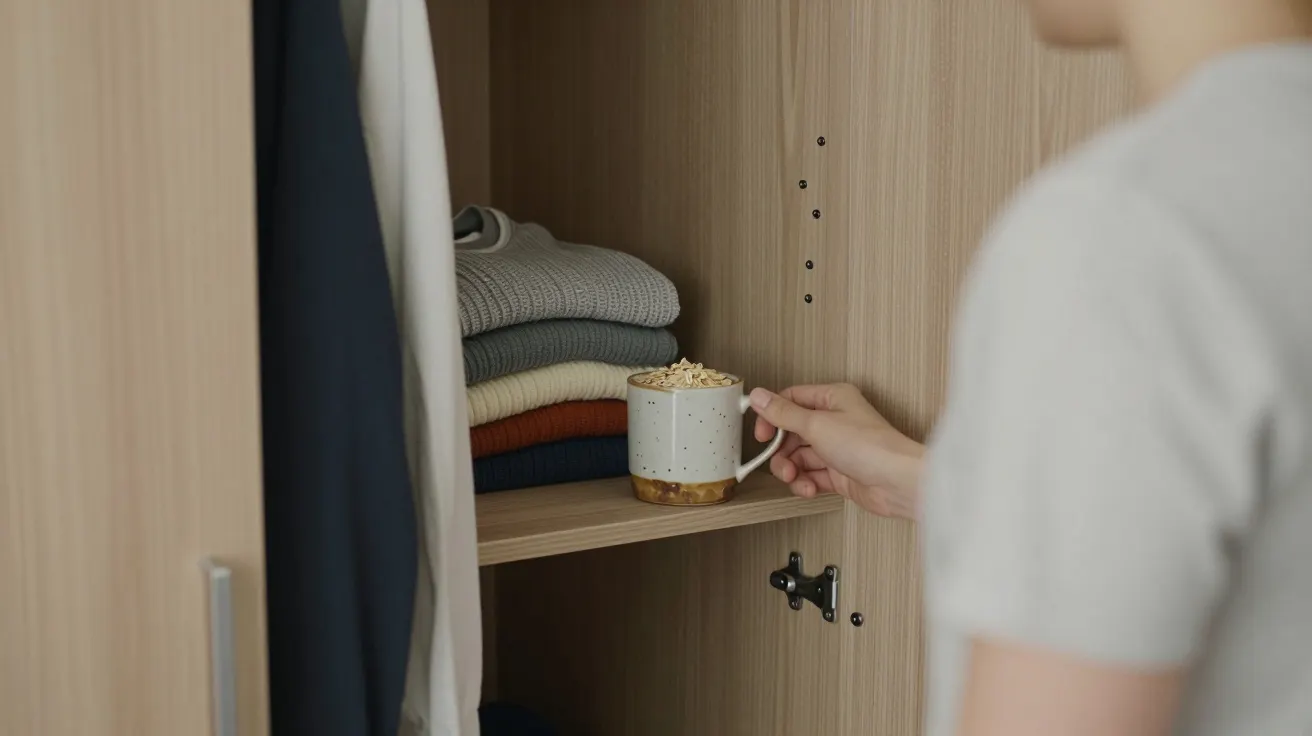
Chapo - Somewhere between the boiler that wheezes and the windows that cry with condensation, a faint, sour smell sifts out of the wardrobe. You crack the door open and it hits you: clothes that were clean now smell “rented flat in February”. On the top shelf, next to a leaning pile of jumpers, a chipped mug of porridge oats is doing a quiet night shift.
It looks ridiculous. A breakfast staple promoted to household gadget, sitting there like a prop from a money‑saving TV segment you never finished watching. Yet after a week, something has changed: the air feels less heavy, the cuffs less clammy, and that stubborn mustiness has retreated a notch. The most unexpected thing in the wardrobe is sometimes the thing quietly fixing what you’d learned to endure.
People share the trick in group chats and on rental forums: “Stick a cup of oats in the wardrobe, it soaks up the damp.” It sounds like folklore, the domestic equivalent of putting an onion in your sock. But this one, within limits, actually has a leg to stand on.
Damp British winters won’t disappear because you raided the cereal cupboard. They will, however, become slightly more bearable - and your coats less likely to smell like bus shelters - if you learn how and when this humble hack really works.
Why a cup of oats can help a damp wardrobe
Wardrobes are perfect little micro‑climates for damp. Warm room outside, cooler wall at the back, not much air movement, and clothes packed tight. The moisture in the room air sneaks in, hits the cooler surfaces, and condenses. Over days, that adds up to fibres that never quite dry and bacteria and mould spores that throw the kind of scent you can’t Febreze away.
Oats, like many dry plant materials, are hygroscopic: they attract and hold onto water vapour from the air. Each tiny flake of oat is full of starch and fibre that can trap humidity, a bit like a very low‑tech, biodegradable dehumidifier. Give that cup of oats a still, enclosed space - your wardrobe - and it will slowly drink some of the excess moisture from the air around your clothes.
The effect is modest. A mug of oats will not cure rising damp, fix a leaking gutter or replace a proper dehumidifier in a dripping bedroom. But in a reasonably dry room with a slightly musty cupboard, it can tip the balance enough to keep things fresher between deep cleans and laundry days.
Think of it as a sponge for the air inside the wardrobe, not a magic spell for the entire house. Used with a few other small habits, it moves you from “this smells like it lives in a cellar” to “this just smells like clothes again”.
How to try the oats trick at home
You don’t need a DIY diploma for this. You need five minutes, a mug, and the cheapest supermarket oats you can find.
- Choose plain oats. Rolled or porridge oats are ideal. Avoid instant sachets with sugar or flavourings; they go slimy faster and attract pests.
- Pick a breathable container. A mug, ramekin or shallow bowl works. For extra neatness, pour oats into a clean sock or bit of old tights, tie a knot, and sit or hang that “oat sachet” in the wardrobe.
- Position matters. Place your oats:
- away from direct contact with clothes,
- on a shelf or hanging from a rail,
- near the coldest wall or the area where smell is worst.
- Give them time. Leave the oats in place for a week or two. You won’t see water pooling, but the flakes will clump and feel slightly soft or stale as they absorb moisture.
- Refresh regularly. In a very damp wardrobe, change the oats every 2–3 weeks. In a milder case, once a month is often enough. Used oats can go in the food waste bin or compost, not back into your breakfast bowl.
If you notice any visible mould on the oats, throw them out immediately and step back: that’s a sign your wardrobe has more than a light humidity issue. Likewise, if clothes are actually wet to the touch or walls feel slimy cold, a cereal‑based solution is only there as a minor sidekick, not the main hero.
Small habits that really help in damp weather
The cup of oats works best when it’s not alone. A few almost boring habits do more for your wardrobe than any single “hack”.
Let’s be honest: nobody flings the wardrobe doors open for an airing every day. But nudging yourself from “never” to “sometimes” changes things.
Try this simple routine:
- Give clothes breathing room. Don’t ram rails until hangers jam. A thumb’s width between items lets air move and damp escape.
- Open up once a day. While you’re getting dressed or brushing your teeth, leave wardrobe doors open for 15–20 minutes to let room air circulate.
- Dry laundry smartly. Avoid hanging very wet clothes directly in wardrobes or on doors. Let them get mostly dry in a ventilated room first.
- Wipe and check. Once a month, wipe the wardrobe’s back panel and corners with a lightly damp cloth and a splash of white vinegar. Check for black spots or fuzzy growth.
- Keep heat subtle but steady. Sudden blasts from an electric heater followed by long cold spells encourage condensation. A consistent, moderate temperature is kinder to both walls and clothes.
These gestures feel trivial on their own. Together, they shift your wardrobe environment from “permanently on the edge of mould” to “just a bit wintry”. That’s where the oats can make a noticeable difference instead of drowning in an impossible task.
When oats aren’t enough: spotting serious damp
Sometimes, the wardrobe smell is a symptom, not the main problem. A few clear signs tell you that you’re in “need proper backup” territory.
| Sign you notice | What it likely means | What to do quickly |
|---|---|---|
| Black or dark green spots on walls, skirting or ceiling | Active mould growth, persistent high humidity | Clean safely, ventilate, photograph, and report to landlord or agent |
| Paint blistering or wallpaper peeling near the wardrobe | Possible penetrating damp or a cold bridge in the wall | Move furniture slightly away, monitor, ask for a damp survey |
| Water beads running down windows every morning | High moisture load in the room air overall | Ventilate daily, use lids when cooking, consider a plug‑in dehumidifier |
| Clothes smell musty straight after washing and drying | Drying in too‑damp an environment, poor air flow | Dry in a different room, use an airer near an open window or extractor |
In these cases, a cup of oats is the equivalent of putting a towel under a leaking roof. It buys you time or reduces the immediate mess, but it doesn’t solve the leak.
If you rent, document what you see: dates, photos, any health issues like coughing or aggravated asthma. Raise it in writing with your landlord or letting agent. Damp and mould aren’t just an inconvenience; they’re a health and housing‑standards issue, and the responsibility doesn’t always sit on the tenant’s shoulders.
If you own, that faint wardrobe smell can be an early warning before bigger repairs appear. A quick visit from a reputable damp specialist or builder to check gutters, pointing, ventilation and insulation often costs less than living for years with quiet damage.
Other low‑cost allies against wardrobe damp
Oats aren’t the only things that quietly sip moisture from the air. You may already have alternatives at home:
- Bicarbonate of soda (baking soda): Great at absorbing odours and some moisture. Scatter in a shallow dish, replace monthly.
- Rock salt or cheap table salt: Very effective at grabbing water vapour, but it can liquefy as it works, so always use a deep, stable container.
- Activated charcoal (for odours): Excellent for smells, modest on moisture. Pop a few pellets in a breathable pouch.
- Refillable wardrobe dehumidifier tubs: Sold in supermarkets and discount shops, they contain calcium chloride crystals that actively draw water and collect it in a reservoir.
Each of these has the same rule as oats: keep them away from direct contact with fabrics and skin, and out of reach of children and pets. A cupboard dotted with little moisture‑traps and backed up by decent airflow will always beat a cupboard relying on just one lonely mug.
What this little cup says about our winter homes
If you sit on the edge of the bed on a January morning, you can hear the building breathe: the tick of radiators, the soft drip of condensation on the sill, the faint hum of a neighbour’s dehumidifier through the wall. The cup of oats in the wardrobe is a tiny protest against houses that were never really designed for how we live now - drying clothes indoors, working from home, heating cautiously to save on bills.
It’s also a quiet way of taking back a bit of control. You might not be able to afford triple‑glazing or convince your landlord to insulate that north‑facing wall this year. But you can shift the odds in your favour with a cereal box, a few better habits, and a clearer eye for when you need to escalate the problem.
We’ve all had that moment of pulling on a favourite jumper and catching a damp whiff that makes you want to put it straight back in the wash. A cup of oats won’t change the climate, but it might just save the jumper - and remind you that even in a leaky, steamy, thoroughly British winter, small, thoughtful tweaks can make the air around you feel kinder.
FAQ:
- Will oats in the wardrobe completely stop mould? No. Oats can help reduce humidity in a small enclosed space, which may slow mould growth, but they can’t fix structural damp, poor ventilation or leaks. Treat oats as a helper, not a cure.
- How often should I change the oats? In winter, plan to replace them every 2–4 weeks. If they look clumped, smell odd or show any sign of mould, change them sooner and consider improving ventilation.
- Is it safe to use oats if I have pets or small children? Yes, as long as the container is out of reach. Oats themselves aren’t toxic, but damp or mouldy oats shouldn’t be eaten, and open bowls can be knocked over.
- Are commercial wardrobe dehumidifiers better than oats? They’re usually more powerful and can collect visible liquid water, so they’re better in very damp rooms. Oats are a cheap, gentle option for mild mustiness or as a top‑up.
- What else should I do alongside using oats? Ventilate the room daily, avoid overfilling wardrobes, dry laundry in a ventilated area, and keep an eye out for early signs of mould on walls, skirting and ceilings so you can act before it spreads.




Comments (0)
No comments yet. Be the first to comment!
Leave a Comment